


|
|
|
front |1 |2 |3 |4 |5 |6 |7 |8 |9 |10 |11 |12 |13 |14 |15 |16 |17 |18 |19 |20 |21 |22 |23 |24 |25 |26 |27 |28 |29 |30 |31 |32 |33 |34 |35 |36 |37 |38 |39 |40 |41 |42 |43 |44 |45 |46 |47 |48 |49 |50 |51 |52 |53 |54 |55| 56 |57 |58 |59 |60 |61 |62 |63 |64 |65 |66 |review |
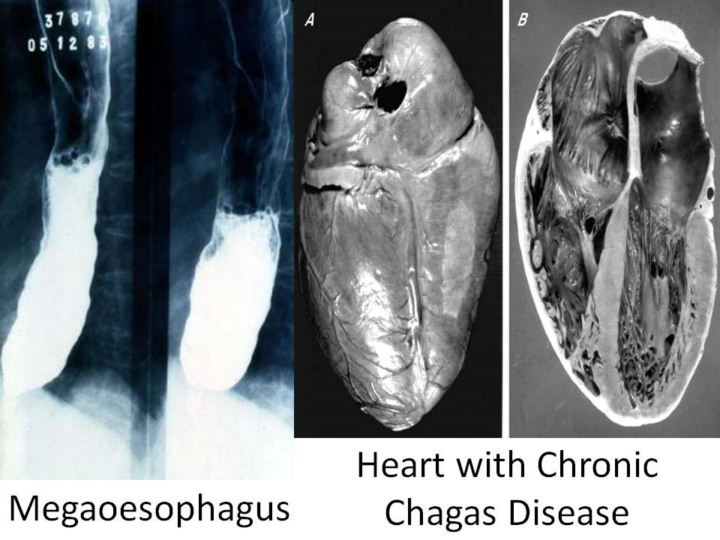 |
Even though a patient may not show symptoms after the acute phase for several years, a minority of these patients do enter the chronic stage. During this stage, the parasite has spread to major organs thereby causing “irreversible lesions of the autonomic nervous system in the heart, esophagus and colon, and of the peripheral nervous system” (Moncayo et al., 17). These lesions can lead to complications such as congestive heart failure, difficulty swallowing, and intestinal problems. Patients must deal with these problems that arise from the chronic phase for the rest of their lives. However, Vines stated that “In nearly one third of all cases, the damage to the heart and digestive system proves fatal” (2). It is important to note that there are only treatments available for acute infections. Currently, there are no available treatments for chronic stage Chagas disease.
|