IE 1051 : Engineering
Product Design (3 Cr.):
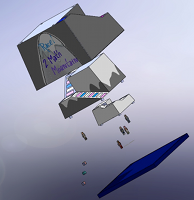
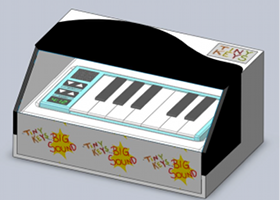
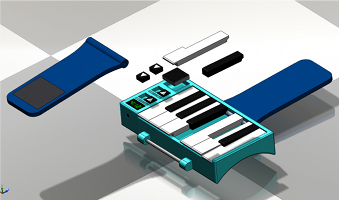
Through lectures and lab sessions, students will learn and
experience aspects of engineering product design and
development. Computer Aided Design (CAD) tools will be
used to guide the design process. Students will work
together in teams to complete a final design project.
Students will not only learn to be technically competent in
design systems and components, but design process practices
that lead to more innovative outcomes.


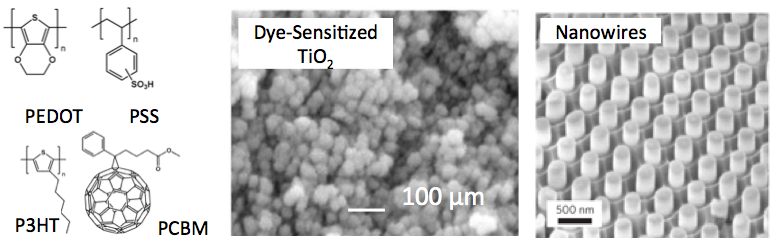
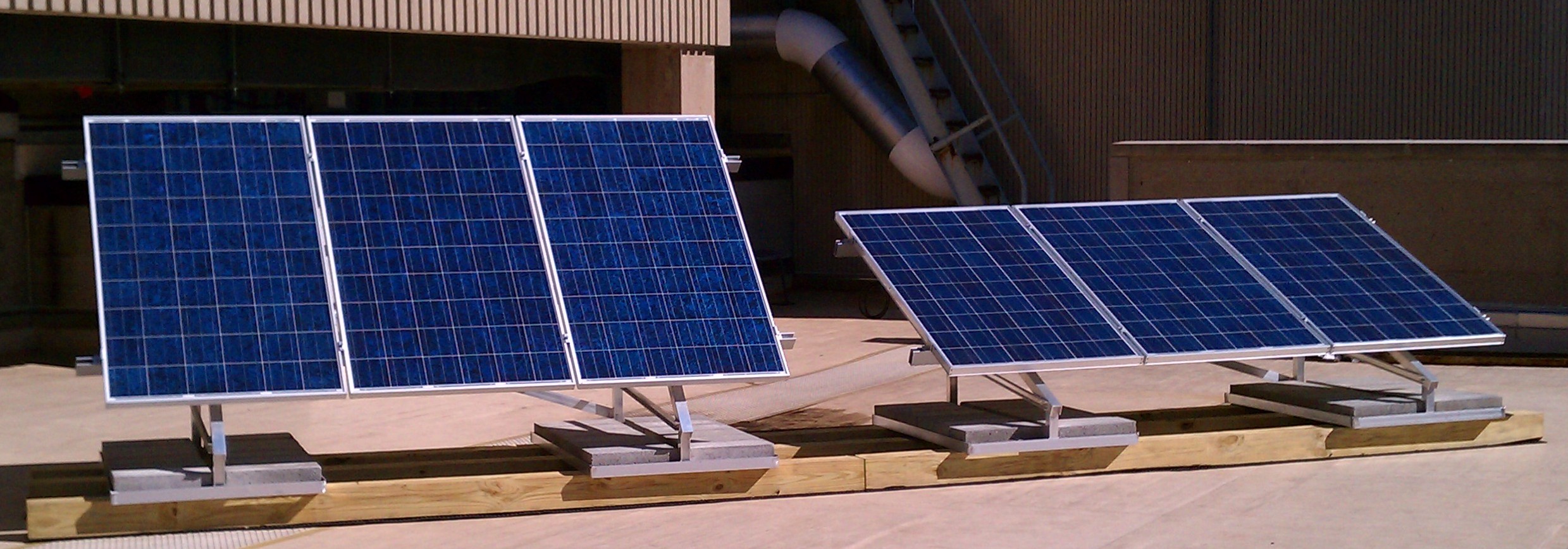
ENGR 1066 : Introduction to Solar Cells and Nanotechnology
The National Academy of Engineering has identified "making
solar energy economical" as a grand challenge of the 21st
century. This course aims to prepare undergraduate students in
the development of low-cost, high-efficiency solar cells.
Students will 1. Apply nanomanufacturing and nanomaterial
concepts to photovoltaic application, 2. Learn how to use
instruments for synthesis and characterization of
nanomaterials and photovoltaic devices, 3. Examine the social
implication of nanotechnology and photovoltaics, and 4.
Practice problem solving and engineering design skills within
a collaborative team. We will cover solar cell fundamentals,
low cost solar cells, and high efficiency photovoltaic
systems. Prerequisite: Phys 0175, Basic Physics for Science
and Engineering II. The course will be offered as part of the
new NanoScience and Engineering Certificate being offered by
the School of Engineering.
IE 2011 : Fundamentals of Micro and Nano Manufacturing
(3 Cr.):
The purpose of this course is to provide students that have a
background in advanced manufacturing technologies with an
opportunity to learn about fundamentals of micro and nano
machining processes. The course represents a good balance
between theoretical problems and practical considerations
related to the advanced manufacturing processes.
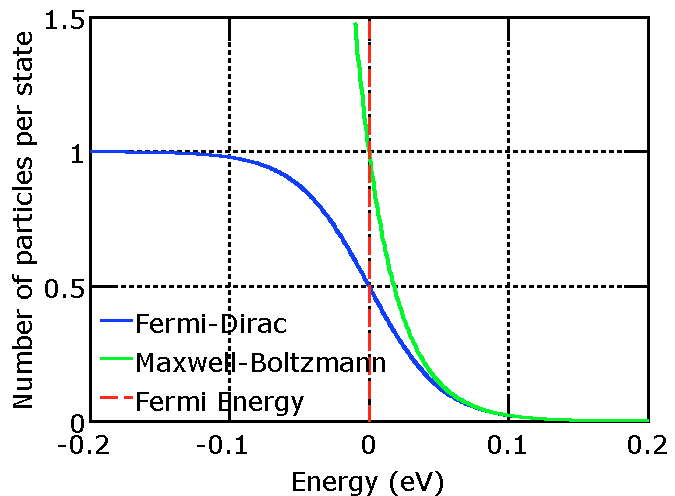
Students will learn about different semiconductor devices,
scaling laws, and fabrication technology.

IE 2098 : Finite Element Analysis in Product Design
(3 Cr.):
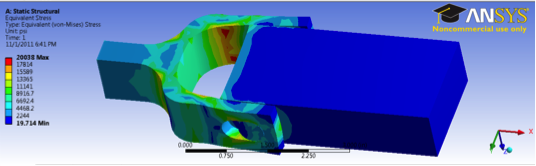
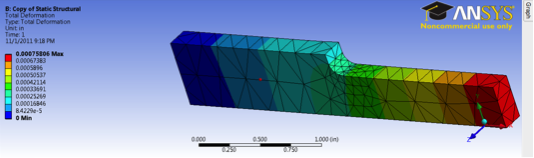
This course investigates the use of virtual design and
analysis tools in the product development process. Students
will gain an understanding of how numerical discretization
through both finite elements and finite differences may be
used to solve partial differential equations. A brief
overview of the product development process will be given,
with particular emphasis on the role of virtual prototyping
techniques. Fundamental concepts of material models,
stiffness matrices, loading and boundary conditions, and the
generation of results will be covered. Students will
develop some simple one-dimensional codes as well as use
commercial software packages to analyze potential consumer
products in an effort to rapidly develop specific design
solutions.
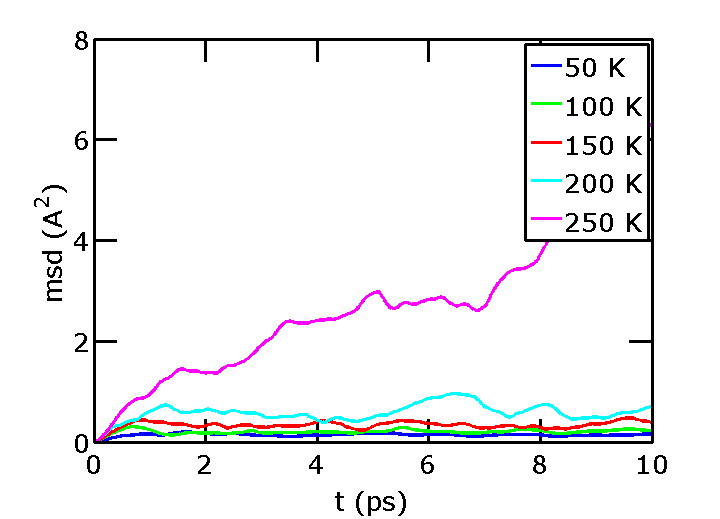
IE 3071 : Atomistic Simulations of Nanomaterials (3
Cr.):
Through lectures and case studies, the students will learn to
develop a set of atomistic simulation codes. Students shall be
able to set up, execute and analyze atomistic simulations, and
understand what is actually happening inside a simulation
program. The students will thus know the limits and range of
credibility of simulation results and be able to formulate
well-posed questions that can be answered by atomistic
simulations. Both
classical mechanics and statistical mechanics will be covered.